Contemporary vs Traditional Front Elevation
When you look at a house from the street, you are looking at its “front elevation.” This is just a professional way of saying the front view of the building. It is the first thing people notice, and it sets the tone for the entire home.
There are two main styles you will see today: traditional and contemporary. While they both provide shelter and comfort, they look very different from the outside. Understanding these differences helps you decide which style feels like “home” to you.
What is Traditional Front Elevation?
Traditional design is inspired by the past. These homes often look like the houses you see in storybooks or history movies. They use styles that have been popular for hundreds of years, like Colonial, Victorian, or Craftsman.
The goal of a traditional home is to feel warm, familiar, and steady. They are built to look like they belong in a classic neighborhood. These designs often focus on balance and detail.

The Power of Symmetry
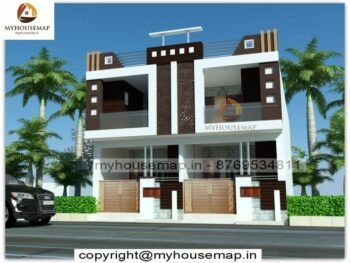
One of the biggest signs of a traditional house is symmetry. If you drew a line down the middle of the house, the left side would look almost exactly like the right side. The door is usually in the middle, with an equal number of windows on each side.
This balance makes the house look organized and formal. It gives people a sense of order and calm. In traditional design, everything has a specific place where it “belongs.”
Traditional Materials and Details
Traditional homes usually use classic building materials. You will see a lot of brick, stone, and wood siding. These materials have been used for centuries because they are strong and look natural.
You will also see a lot of decorative details. This might include “trim” around the windows or fancy railings on the porch. The roofs are usually “pitched,” which means they are pointy and slanted to let rain and snow slide off easily.
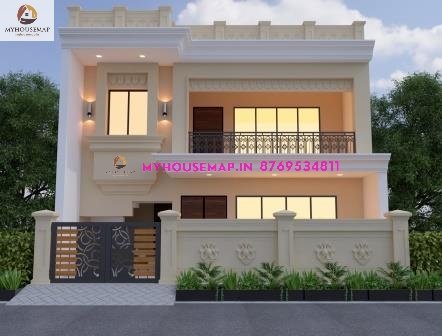
Use Large Windows and Thin Frames
Windows are the “eyes” of your home. In a modern min
What is Contemporary Front Elevation?
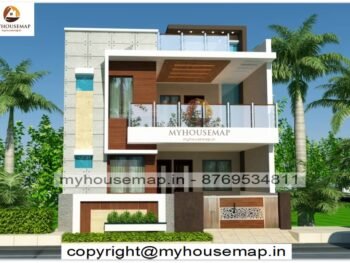
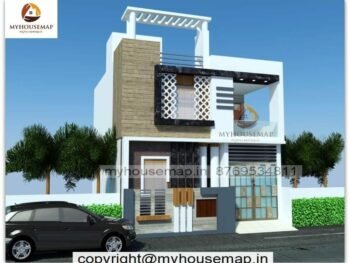
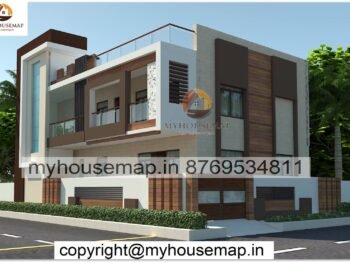
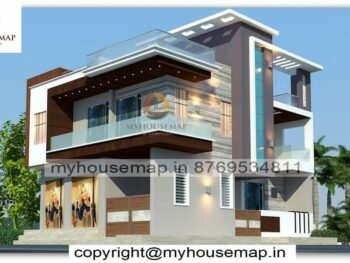
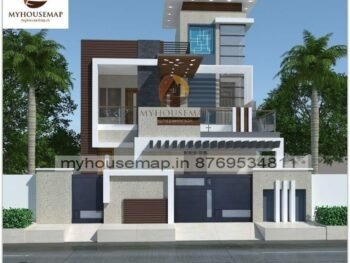
Contemporary design is all about what is happening right now. Unlike traditional styles, it does not look to the past for rules. Instead, it focuses on being unique, bold, and efficient.
The goal of a contemporary home is to look fresh and new. These designs often use shapes that look like art. They prioritize “minimalism,” which means keeping things simple and removing unnecessary decorations.
Embracing Asymmetry and Clean Lines
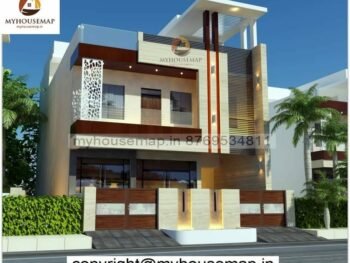
While traditional homes love balance, contemporary homes love asymmetry. The house might have a tall section on one side and a short, wide section on the other. This creates a look that is interesting and unexpected.
You will also see very “clean lines.” This means the edges of the house are sharp and straight. There are no fancy carvings or extra decorations to distract your eyes from the shape of the building itself.

Modern Materials and Large Windows
Contemporary homes use a mix of old and new materials. You might see concrete, metal, and large amounts of glass mixed with natural wood. This creates a “texture” that feels very up-to-date.
Windows are a huge part of the contemporary look. Instead of small, square windows with shutters, these homes have massive walls of glass. This blurs the line between the inside of the house and the outside world.
Comparing the Roof Styles
The roof is often the easiest way to tell the two styles apart. Traditional roofs are usually Gabled (like an upside-down V) or Hipped (slanted on all four sides). They are designed to look tall and prominent.
Contemporary roofs are often flat or have a “shed” style, which is just one single slope. This makes the house look lower to the ground or more like a series of blocks. It gives the home a sleek, low-profile appearance.
Which Style is Right for You?
Choosing between these two styles depends on your personality. If you like history, cozy corners, and a house that fits into a classic neighborhood, traditional is likely your best bet. It feels timeless and never goes out of style.
If you like open spaces, lots of natural light, and a home that looks like a piece of modern art, go with contemporary. It feels exciting and matches a fast-paced, modern lifestyle. Both styles are beautiful; they just tell a different story about who lives inside.
imalist design, windows should be large and simple. They allow natural light to fill the house and connect the inside with the outside.
Avoid windows with many small wooden grids across the glass. Instead, choose large panes of glass with very thin metal frames. Black or dark grey frames are very popular because they look sharp against light-colored walls.