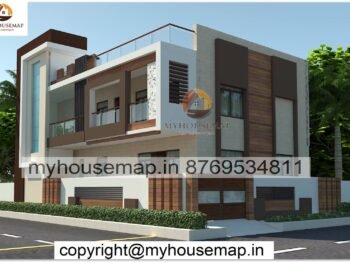
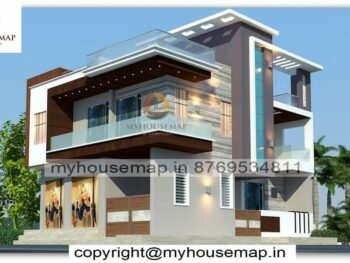
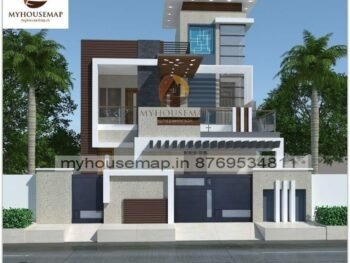
What are the latest trends in house front elevation design?
Have you ever walked down a street and seen a house that made you stop and say, “Wow”? That feeling usually comes from the house’s front elevation.
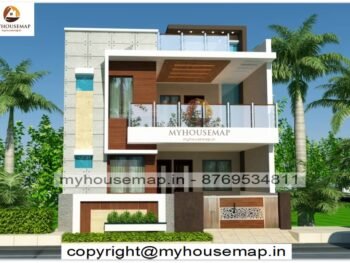
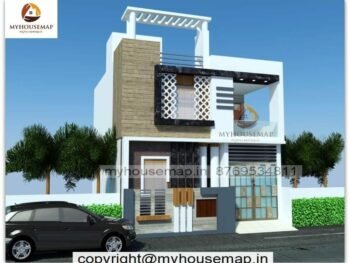
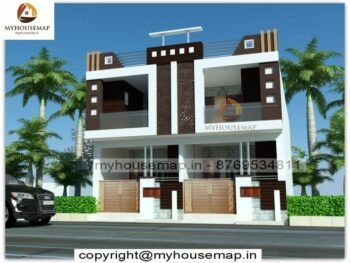
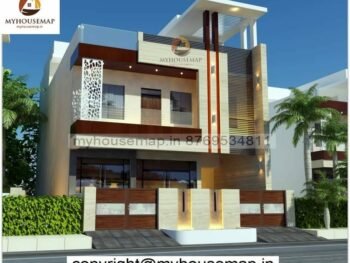
In simple terms, the front elevation is just the “face” of the house. It is the view of the home from the front side, as if you were standing on the sidewalk looking straight at it.
Just like people change their fashion styles over the years, houses change their “outfits” too. These outfits are what we call design trends.
In this guide, we are going to explore the latest trends in house front elevation. We will break down why they are popular and how you can understand them like a pro.
Why Does Front Elevation Matter?
Think of a house like a person going for a job interview. The front elevation is the first impression. It tells the story of who lives inside and what their style is.
A good design isn’t just about looking pretty. it also helps the house stay strong against the weather and can even make the house worth more money.
If a house looks modern and well-kept, people assume the inside is just as nice. This is why architects and homeowners spend so much time thinking about the front view.
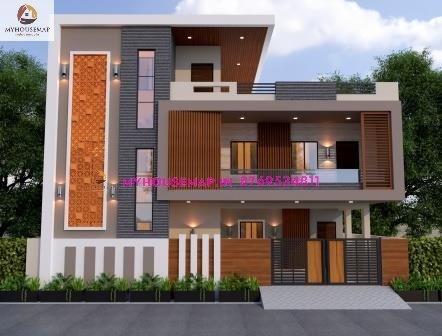
Core Concepts: What Makes a Design “Trendy”?
Before we look at specific styles, we need to understand the “ingredients” of a front elevation. Architects use these four things to create a look:
- Materials: This is what the house is made of, like wood, stone, glass, or concrete.
- Lines and Shapes: Are the edges sharp and straight, or are they curved and soft?
- Color Palette: The mix of colors used on the walls, roof, and doors.
- Lighting: How the house looks at night when the sun goes down.
In the past, people liked houses with lots of fancy decorations and carvings. Today, the trend has shifted toward something much simpler and cleaner.
Trend 1: Minimalist Modernism (The “Less is More” Look)
The biggest trend right now is Minimalism. You can think of minimalism like a clean, organized desk. There is nothing on it that doesn’t need to be there.
In minimalist design, architects use very straight lines. You won’t see many circles or wavy patterns. Everything looks like it was drawn with a very steady ruler.
Why it’s popular:
Minimalism looks very calm. In a busy world, people want their homes to look peaceful and simple. It also uses fewer materials, which can sometimes be better for the environment.
Key features:
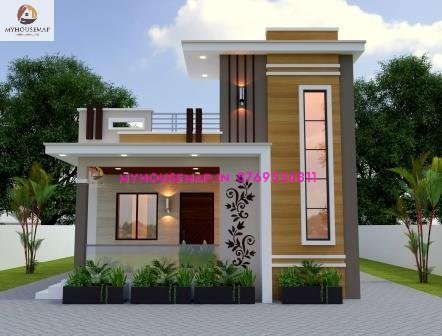
- Flat Roofs: Instead of the classic “triangle” roof, many modern houses have flat tops.
- Neutral Colors: You will see a lot of white, gray, and black.
- Hidden Details: Gutters and pipes are often hidden inside the walls so they don’t ruin the clean look.
Trend 2: The “Natural” Look (Using Wood and Stone)
Even though people love modern designs, they don’t want their houses to look like cold, robot boxes. That is why the Natural Material trend is huge right now.
Designers are taking cold materials like concrete and mixing them with “warm” materials like wood and natural stone. This makes the house feel like it belongs in nature.
The Contrast Rule:
A popular trick is to have a big, dark gray wall right next to a section made of bright, warm cedar wood. The “clash” between the two makes the house look very high-end.
Why it’s popular:
Natural materials make a home feel cozy. It reminds people of being in a forest or near a mountain, even if they live in the middle of a city.
Trend 3: Big Glass and “Transparency”
Have you noticed that new houses have much bigger windows than old ones? This is the trend of Transparency.
In the past, windows were just small holes in the wall to let in a little air. Now, windows are often used as the walls themselves!
The “Indoor-Outdoor” Flow:
The goal here is to make it feel like there is no wall between your living room and your front yard. This makes small houses feel much larger because your eyes can see all the way outside.
Why it’s popular:
Natural sunlight makes people feel happier and healthier. Plus, big windows look very expensive and futuristic.
Trend 4: Industrial Vibes (Metal and Bricks)
Some people want their homes to look a bit “tougher.” This is called the Industrial Trend. It takes inspiration from old factories and warehouses.
Instead of hiding the metal beams or the bricks, this style shows them off. You might see black metal frames around windows or walls made of rough, red brick.
Key features:
- Exposed Steel: Using black iron or steel for railings and porch supports.
- Concrete Finishes: Walls that look like smooth, gray sidewalk material.
- Dark Accents: Using very dark colors to give the house a “bold” personality.
Trend 5: The “Green” Elevation (Sustainability)
Being kind to the planet is very trendy right now. Sustainable Design is a trend where the house’s face actually helps the environment.
This isn’t just about looks; it’s about how the house works. A “Green” elevation might include things that save energy or help plants grow.
Examples of Green Trends:
- Vertical Gardens: This is when you grow plants directly on the front wall of the house. It’s like a “living wall.”
- Solar Shading: Using wooden slats or metal screens to block the hot sun so the house stays cool without using air conditioning.
- Solar Panels: In the past, these were ugly. Now, designers find ways to build them into the roof so they look like part of the design.

Step-by-Step: How to Choose a Front Elevation Design
If you were helping someone design a house, you wouldn’t just pick a style at random. You would follow a plan. Here is how the pros do it:
Step 1: Look at the Surroundings
A house should fit into its neighborhood. If every house on the street is a classic brick house, a neon-green glass box might look out of place. Designers look at the trees, the hills, and the other houses first.
Step 2: Choose a “Hero” Material
Pick one material to be the star. Maybe it’s a beautiful stone wall. Once you have your “hero,” you pick 1 or 2 other materials that support it without taking away the attention.
Step 3: Balance the Shapes
You don’t want all the heavy parts of the house on one side. If you have a big garage on the left, you might need a tall entryway or a large window on the right to balance it out. This is called Visual Weight.
Step 4: Add the Layers
Modern houses aren’t just flat walls. Designers add “layers” by having some parts of the wall stick out and other parts sit back. This creates shadows, and shadows make a house look 3D and interesting.
Step 5: Plan the Lighting
A house has two lives: one during the day and one at night. Designers place “uplights” on the ground to shine light up the walls. This makes the house look like a piece of art after dark.
Real-World Application: The “Modern Farmhouse”
To see all these trends in action, look at the Modern Farmhouse. This is one of the most popular styles in the world right now.
It takes the “Natural” trend (wood) and mixes it with the “Minimalist” trend (clean white walls) and the “Industrial” trend (black metal windows).
The house looks like an old-fashioned barn, but with very sharp, clean lines and huge glass doors. It is the perfect example of how trends can be mixed together to create something new.
Common Mistakes to Avoid
When trying to follow trends, it is easy to make mistakes. Here are a few things that can go wrong:
- The “Birthday Cake” Effect: This happens when a homeowner uses too many different materials. If you have wood, stone, brick, glass, and metal all on one small wall, it looks messy and confusing.
- Ignoring the Weather: If you live in a place with lots of snow, a flat roof (Minimalist trend) might not be a good idea because the snow will get too heavy. You have to match the trend to the climate.
- Forgetting the Front Door: Sometimes people get so excited about the walls and windows that they forget the door. The front door should be the “centerpiece” that tells people where to go.
- Too Much “Gray”: While neutral colors are trendy, using only one shade of gray can make a house look like a prison. You need different textures or a pop of color to make it feel alive.
Common Questions Students Ask
Q: Is a modern front elevation more expensive? A: Not always! While big glass windows can be pricey, the minimalist trend actually uses fewer fancy decorations, which can save money on labor.
Q: Can I change the elevation of an old house? A: Yes! This is called a “facade renovation.” You can add new wood panels or paint the old brick to make an old house look brand new.
Q: What is the most popular color for houses right now? A: “Charcoal Gray” and “Off-White” are the champions. People love the high contrast between a dark roof and light walls.
Summary and Key Takeaways
Designing the front of a house is like painting a giant picture that people will see every day. The latest trends show that we are moving away from “fancy and cluttered” and moving toward “simple and natural.”
To remember the main points:
- Minimalism is about clean, straight lines and no clutter.
- Natural Materials like wood and stone make modern houses feel warm and welcoming.
- Large Windows are used to bring the outside world into the home.
- Sustainability is becoming a part of the design, with green walls and solar features.
- Balance is the secret key—making sure the colors and shapes work together instead of fighting for attention.
Whether you are dreaming of your future home or just observing the buildings in your town, keep an eye out for these trends. You will start to see that every “face” of a house has a very specific story to tell!